

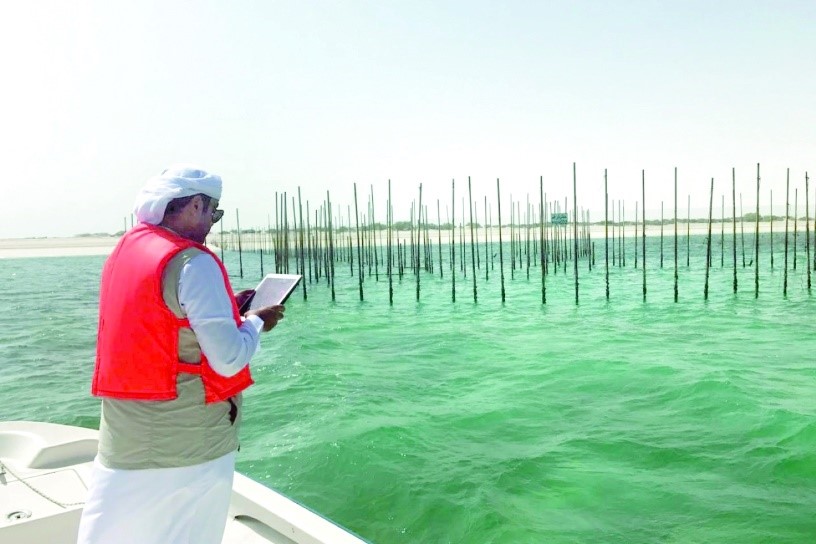
The Environment Agency in Abu Dhabi confirmed that the average size of mature fish stocks capable of reproducing and replenishing the total catch increased by 81% between 2017 and 2020 (an increase of 1.14% to 25.6%). Officials of the agency noted that if the current commercial fishing policy continues, the relative size of the stocks is expected to continue to grow.
According to officials, although the relative size of mature fish stocks is 30% below the reference level, the KPI (Key Performance Indicator) has shown a significant increase in the past two years. This indicates an improvement in the status of the stocks in the near future.
Officials also announced that the sustainable exploitation index has increased as a result of government control and fisheries policies. The sustainable exploitation index for all species has reached 1.57%. The government is aiming to increase this index to 70% by 2030.
Permits
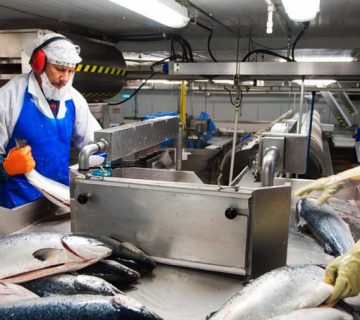
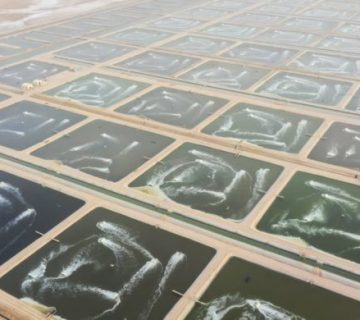
As part of its vision to support aquaculture in the emirate of Abu Dhabi, the Environment Agency has granted permits to four aquaculture farms, bringing the percentage of aquaculture production instead of sea catch to 41%. Aquaculture production in 2020 was 521 tonnes.
Aquaculture production is worth Dh19.8 million. The agency confirmed that common grouper is one of the main species, with 240 tonnes produced last year, a 35% increase on production in 2020. Officials announced that 10,000 tonnes of oysters are expected to be produced by 2024 as part of the freshwater oyster farming project, which was first launched last year.
The agency explained that as part of its efforts to improve compliance with environmental laws in the marine environment, it recorded 175 violations in 17,000 hours of monitoring last year. This represents a 46.2% reduction in marine environmental violations.
National Plan
The Abu Dhabi Environment Agency announced the need to launch a national plan to restore and replenish fish stocks in the emirate and ensure the sustainability of fisheries. The destruction of key habitats and seawater quality will have negative impacts on the economy, food security and the environment in the future. The plan includes imposing limits on daily catches by individuals and fishing boats to combat unsustainable fishing of species.