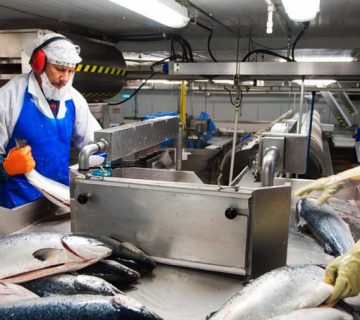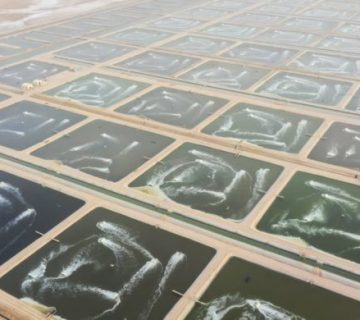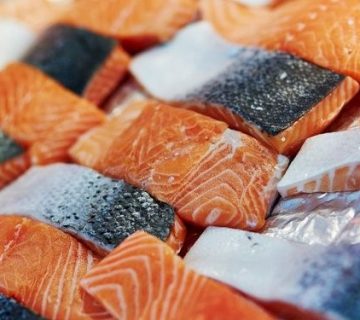


The Spanish Aquaculture Producers Association (APROMAR) expects total production of seabass and seabream to increase from 33,556 tonnes in 2021 to 37,000 tonnes in 2022.
Total production of farmed seabass and seabream in Spain is expected to increase by 10% in 2022 to 37,000 tonnes, up from 33,556 tonnes last year.
However, the impact of simultaneous phenomena such as Hurricane Gloria in early 2020, the outbreak of the pandemic and the Russia-Ukraine conflict have increased input costs at an unexpected pace. This certainly threatens the sustainability and future growth of the aquaculture industry in Spain and other EU countries.
Thus, although total Spanish aquaculture production increased by 13.7% from 51,664 tonnes in 2020 to 58,761 tonnes in 2021, it is expected to decline to 54,500 tonnes in 2022.
By the end of 2021, the reactivation of the post-Covid economy will have generated a significant increase in the cost of all raw materials and services required for the normal operations of many industries, including aquaculture. The war in Ukraine has worsened the situation. The 100% annual increase in the price of oxygen for ponds and the 30% to 50% increase in feed prices have set new records in Spanish aquaculture. Energy costs have also increased by 250% compared to 2021, and fuel prices by 20%.
The price growth for packaging and transport materials such as pallets, containers and labels increased by more than 15% compared to 2021. Similarly, the price of biosafety products increased by 30%. This is certainly affecting the aquaculture of seabass and seabream. These species account for almost 70% of the total aquaculture production in Spain and their production is expected to increase in 2022.
Seabass production increases by 7%
Spanish seabass production is expected to reach 25,576 tonnes in 2022, an increase of 6.9% compared to 2021. The highest production level is in the Murcia region, which accounts for 30% of the total production. The Canary Islands, Valencia and Catalonia are next in line.
The average price of farmed sea bass in Spain in 2021 was €4.70 per kilo, 8.5% higher than the average price of the previous year.
According to Apromar, FAO and FEAP, aquaculture production of sea bass in Europe and the rest of the Mediterranean in 2021 was 298,083 tonnes, 4.4% higher than the previous year. In 2022, production is expected to increase by 3.7% to 309,226 tonnes. The total value for first sales is €1.49 billion.
The main producing countries of sea bass are Turkey with 156,000 tonnes supplying 52.3% of the total volume, Greece with 54,000 tonnes (17.6%), Egypt with 35,000 tonnes (11.4%) and Spain with 23,924 tonnes (8.5%).
Seabream production up 14%
Spanish seabream production is expected to increase to 11,000 tonnes by the end of 2022. This is 14.2% higher than the 9,632 tonnes in 2021. The Valencia region leads the production with 57%, followed by Murcia, Andalusia and the Canary Islands. Spanish production of northern seabream was 27 million pieces in 2021. However, this figure is estimated to decrease by 9% year-on-year to 24.5 million pieces in 2022. The average selling price for farmed fish produced in Spain in 2021 was €4.18 per kg, 0.5% lower than the average price last year (€4.2 per kg). The total market value of the 9,632 tonnes of Spanish seabream is worth €40.3 million.
Turkey with 135,000 tons and 41.6% of production, Greece with 73,000 tons (22.7%), Egypt with 36,000 tons (11.2%), Tunisia with 16,000 tons (5%) and Spain with 9,632 tons (3%) are the main producing countries of sea bream. Sea bream is also produced in Italy, Croatia, Malta, Israel, France, Portugal, Albania, Algeria, United Arab Emirates, Bosnia, etc.