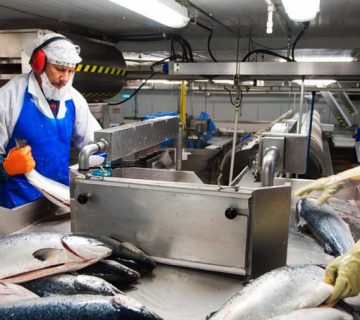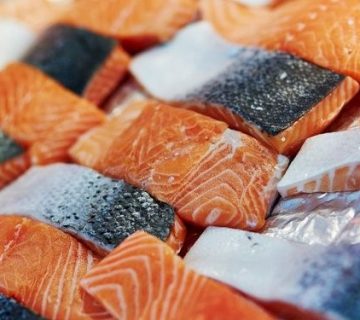



The Spanish Food Safety and Nutrition Agency (AESAN) recommends consuming 3 to 4 servings of fish per week.
Spain is a country with a traditional fishing tradition, surrounded by seas and coastlines, and fishing activity plays an important role in its economy. This activity benefits the structure of its territory in each region, even in difficult times such as the pandemic and the different regulations that have presented the industry with new challenges. Fishermen at sea strive every day to make the healthiest and most sustainable animal protein with high biological value and the lowest carbon footprint available to consumers.
One of the challenges facing the fisheries industry is the lack of awareness among Spanish consumers about the benefits of consuming fish. Although “94% of Spaniards like fish”, it has been observed that only 23% of them include fish in their diet regularly. The reason for this is misconceptions and misinformation about this product, and according to a survey carried out by FESNAD, people do not know how to prepare or preserve it.
At this point, Pesca España (fishing equipment store) was born to promote fishing as a national value and an economic factor among the general public. The brand emphasizes the importance of this industry and seeks to strengthen and defend its advantages, as well as to enhance the value of fishing as an ancient tradition.
In addition, Pesca España aims to encourage consumers to use fish as a basic element of a healthy diet. To do this, the company decided to put an end to the spread of misinformation about fish and become an educational benchmark for consumers. “It is important to help people become aware and learn about the benefits of these foods, so that they can enjoy the great variety of these foods as a source of happiness,” said Javier Garratt, director of Pesca España.
Balanced diet
In the last 14 years, there has been a 25% decrease in the consumption of fish and shellfish in households. This figure is detrimental to the health of the Spanish population. Because the Spanish Food Safety and Nutrition Agency (AESAN) recommends consuming 3 to 4 servings of fish per week. The reason for this recommendation is the numerous benefits and properties provided by the vitamins, minerals, omega-3 fatty acids and high biological value protein in fish. Regular consumption of fish strengthens the immune system and bones, nourishes and strengthens muscles, protects the heart, reduces the risk of death from heart disease in adults and produces serotonin (the hormone of happiness). Existing studies show that consuming fish and shellfish releases endorphins and serotonin to the brain, which is why it is said to be a natural source of happiness.
Although it is true that Spanish seafood is very diverse, this diversity causes a lot of neglect among consumers and even prevents them from consuming it. Knowing this, Pesca España has decided to remove all obstacles and encourage the Spanish people to discover the taste of this delicious, nutritious, healthy and sustainable product that comes from the sea and enjoy this source of true happiness.
Defending fisheries
In addition to the need for consumers to increase their fish consumption, the fishing industry is also trying to find a balance between preserving biodiversity, sustainable use of natural fisheries resources and food security.
We must not forget that Spain is a benchmark in sustainable fishing, and this has been confirmed by the scientific community. Spain considers fishing as a necessity that can help to meet the problem of feeding a growing world population with a healthy and quality diet that does not exacerbate the challenges posed by global warming and climate change. Sustainability and care for the environment and marine ecosystems are, in fact, at the heart of the fishing industry, which protects the seas and oceans better than any other method.
Pesca España recalls: “We must be aware of the value that the fishing industry brings to Spain as an essential economic factor. Fisheries are a key pillar for the health of Spanish consumers and are a responsible and sustainable industry that provides a natural product with a very high and varied nutritional value.”