

Bacteriophages and shrimp
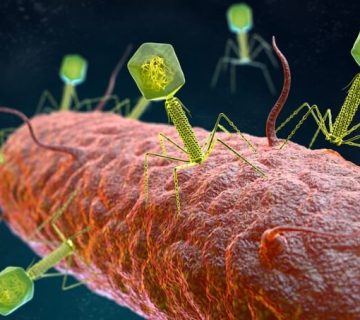
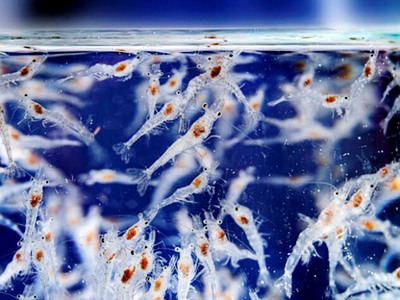
Selection of several bacteriophages (bacteriophages) for postlarvae (PL) shrimp can have a protective effect against the pathogenic bacterium Vibrio.
Researchers from the Northwest Biological Research Center, the Autonomous University of Nuevo León (Mexico), the AC Food Research and Development Center and the University of Girona (Spain) evaluated the protective effects of a cocktail of bacteriophages (a combination of several bacteriophages) in postlarvae of the Vannamei family against Vibrio. The scientists found that treatment of PLs with bacteriophages kept Vibrio diseases under control and reduced their density in the pond water, without harming the surrounding bacterial communities.
Vibrio populations and phages
Vibrio bacteria are widely distributed in the ocean environment, and different Vibrio species are responsible for the spread of diseases in aquatic animals, especially pangolin shrimp, fish and molluscs. Some strains of Vibrio harveyii and Vibrio campbellii are implicated in outbreaks of disease in shrimp hatcheries and farms worldwide. These strains have also been linked to coral diseases.
“We used both shrimp-dependent and shrimp-independent approaches to investigate their impact on bacterial communities associated with postlarvae of shrimp,” the researchers said. The phage cocktail significantly reduced the number of Vibrio species in both in vitro and natural environments, according to the study.
“We initially observed that both phages exhibited lytic activity (viral replication) in vitro against Vibrio species isolated from AHPND-infected shrimp farms, such as alginolyticus, diabolicus, and parahaemolyticus.”