

According to Dawood Sulaiman Al Yahyai, Director General of Fisheries Research at the Ministry of Agriculture, Fisheries and Water Resources (MAFWR), fish production for aquaculture projects in Oman reached 1,703 tonnes in 2022, compared to 284 tonnes in 2014. This is a 500% jump in just eight years.
With a vast coastline, Oman makes wise use of its marine resources, and the fisheries industry contributes significantly to the Sultanate’s GDP.
Future growth in the industry is expected to come from a vibrant aquaculture sector, as Oman is developing several large-scale fish farming projects worth over $1 billion.
“The ministry is trying to focus on small-scale farmers, with the help of whom the production of freshwater farms increased from 5 tons in 2014 to 353 tons in 2021,” Yahyaei said.
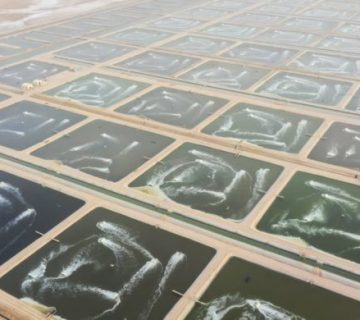
Fish production from integrated fish farming and commercial aquaculture projects reached 1,350 tons in 2022. The majority of these projects are dedicated to the cultivation of European seabream.
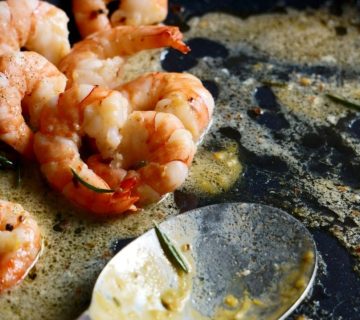
“We currently have a large floating cage project in the city of Qaryat for the production of seabream, in addition to two other projects for shrimp production in Qorum and the South East region, and a project for abalone production in Dhofar,” the director general of Fisheries Research said on commercial fish farming.
“The ministry has received many applications for aquaculture projects that are at various stages of approval.”
Regarding the challenges facing aquaculture, Yahyaei said that fish farming, like other food production sectors, faces challenges such as diseases and epidemics that can affect farms and cause huge economic losses. “In some cases, these challenges can lead to the complete closure of fish farms.”
He noted that the global economic losses from disease outbreaks reach $6 billion. “Therefore, the importance of biosecurity is considered as one of the important aspects of fish farming.” MAFWR recently launched a workshop on the importance of biosecurity in fish farms.
“The aim of the workshop is to spread awareness of the importance of biosecurity measures in fish farms, especially freshwater fish farms.”
Regarding future plans, he said: “There are currently 28 integrated freshwater farms in the Sultanate. We expect to start commercial production of abalone in 2023.”
Aquaculture projects in the Sultanate of Oman fall into two categories: integrated aquaculture projects and commercial aquaculture projects.
Integrated projects are based on the integration of agricultural and aquaculture activities. The aim of this method is to optimally use land and water resources in food production, which contributes to ensuring food security.
Commercial projects are also mostly implemented in the sea or on land close to the sea.